
This step-by-step guide provides homeowners with essential insights on how to determine if their air conditioner compressor needs replacing. It outlines key signs of a failing compressor, such as unusual noises, inadequate cooling, and increased energy bills, enabling homeowners to recognize potential issues early. By following the guidelines, readers can save time and money while ensuring their comfort during hot weather, ultimately leading to informed decisions about repairs or replacements.


Listen carefully for any unusual noises coming from your air conditioner. Pay attention to sounds like grinding, clanking, or hissing. Such noises can indicate potential mechanical issues within the compressor, which may need your immediate attention.
- Identify the source of the noise. Stand near the unit and determine if the sound is coming from the compressor or another part of the system.
- Take note of when the noise occurs. Does it happen during startup, while running, or when the unit shuts off?
- Document the type of noise you hear. Write down whether it’s a grinding, clanking, or hissing sound, as this can help a technician diagnose the problem more effectively.
- Turn off the air conditioner if the noise is loud or concerning. This prevents further damage and keeps you safe.
- Schedule a service call with a qualified HVAC technician. Share the details of the unusual noises you’ve observed to assist in the diagnostic process.

Monitor Cooling Performance
Evaluate the cooling efficiency of your air conditioner by first checking the temperature difference between the air entering and leaving the unit. Use a thermometer to measure the air temperature from the supply vent and the return vent. Ensure the temperature difference is around 15-20 degrees Fahrenheit; if it’s less, it could indicate a problem with the system. Inspect the air filters for dirt and clogs, as dirty filters can restrict airflow and affect cooling performance. Replace or clean them if necessary.
Identify any hot spots in your home by walking through each room and taking note of areas that feel warmer than others. Pay close attention to rooms that receive direct sunlight or have poor insulation. If you notice that certain spaces are consistently warmer, this could indicate that the air conditioner is struggling to distribute cool air effectively. Keep an eye on your compressor as well; if it is making unusual noises, running continuously, or cycling on and off frequently, these could be signs of a failing compressor. Regularly monitor these factors to maintain optimal cooling performance in your home.
Inspect for Leaks
Inspect the area around the compressor unit for any signs of refrigerant leaks. Look for oil spots on the surface, as these can be clear indicators that refrigerant is escaping. If you notice any discoloration or oily residue, take note of it. Additionally, check the refrigerant levels in the system; if the levels appear to be lower than usual, this could suggest a leak as well.
Monitor the performance of your air conditioning system. If you experience reduced cooling efficiency or hear unusual noises coming from the compressor, these could be warning signs that a problem exists. If both oil spots and low refrigerant levels are present, it may be time to consider a compressor replacement. Always consult with a qualified technician to assess the situation accurately and ensure proper repairs are made.
Assess Age of the Unit
Evaluate the age of your air conditioning unit. Check the manufacturer’s label, usually found on the side or back of the unit, to find the production date. If the unit is more than 10-15 years old, consider the potential for ongoing repair costs. Look for signs of failure, such as unusual noises, decreased cooling efficiency, or frequent breakdowns.
Weigh the costs of repair against the cost of a new compressor. If repair expenses are consistently high or the unit requires multiple repairs, replacing the entire compressor may be a more cost-effective solution. Factor in the potential savings on energy bills with a newer, more efficient model. Make informed decisions based on your findings to ensure you invest wisely in your home’s comfort system.
Check Electrical Components
Examine the electrical components connected to the compressor closely. Look for any signs of burnt or frayed wires, which can indicate overheating or a potential short circuit. If you notice any discoloration or melted insulation, consider replacing the damaged wires immediately to prevent further issues. Check the connections to ensure they are secure and free of corrosion.
Inspect the circuit breaker or fuse box as well. If the breaker has tripped, reset it and observe if it trips again. If it does, further investigation is necessary, as it may suggest an underlying electrical issue. Replace any blown fuses with ones that match the required amperage. Regularly checking these components can help maintain the compressor’s functionality and prevent costly repairs in the future.
Seek Professional Diagnosis
Notice any signs of trouble with your HVAC system? Consult a professional HVAC technician right away. Schedule an appointment with a qualified technician who can perform a thorough diagnosis of your cooling system. Provide them with detailed information about the symptoms you’ve observed, such as unusual noises, inconsistent cooling, or increased energy bills. This information will help them pinpoint the issue more effectively.
Allow the technician to conduct a comprehensive evaluation of the system, including the compressor. They will check for any signs of wear or damage and assess the overall condition of your HVAC unit. Based on their findings, ask for recommendations regarding whether the compressor needs replacement or if a simpler repair will suffice. Prioritize this step to ensure your HVAC system runs efficiently and to avoid further complications down the line.
Final Thoughts on Replacement
In conclusion, staying vigilant about your air conditioner’s performance can save you time and money in the long run. By being aware of the warning signs such as strange noises, poor cooling efficiency, and leaks, you can determine whether your compressor needs replacing. Regular inspections and understanding the age and condition of your unit are essential steps in ensuring a comfortable living environment. Don’t hesitate to seek professional assistance when needed; your comfort is worth it!
Essential Supplies Needed

Diagnosing Compressor Issues
Step-by-Step Guide to Safely Replace Your Air Conditioner Compressor
- Gather Your Tools and Materials: Before starting, you’ll need essential tools like wrenches, a screwdriver, a refrigerant gauge set, and safety gear (gloves and goggles). Don’t forget to have a new compressor on hand, along with any necessary seals and oil
- Disconnect Power and Recover Refrigerant: Safety first! Turn off the power to your AC unit at the breaker box. If your system contains refrigerant, use a recovery machine to safely remove it. Never release refrigerant into the atmosphere
- Remove the Old Compressor: Open the access panel to your AC unit, disconnect the electrical wiring from the compressor, and detach the refrigerant lines. Be sure to note where everything connects, as you’ll need to replicate this when installing the new compressor
- Install the New Compressor: Position the new compressor in place, connecting the refrigerant lines and electrical wiring as per your notes. Make sure to also add the recommended amount of oil if required
- Test the System: Once everything is connected, restore power to your unit and check for leaks around the connections. Use your refrigerant gauge set to ensure the system is functioning correctly before sealing everything back up
- Remember, if you’re ever unsure or feel uncomfortable during the process, it’s always best to consult a professional!
Step-by-Step Guide to Replacing Your AC Compressor
To check for leaks in the refrigerant lines after replacing them, you can follow these steps:
- Visual Inspection: Start by visually inspecting the refrigerant lines for any noticeable signs of damage, such as cracks or corrosion. Pay close attention to joints and connections, as these are common leak points.
- Soap Solution Test: Mix a solution of soap and water in a spray bottle. Spray this mixture onto the refrigerant lines and connections. If there’s a leak, you’ll see bubbles forming at the leak site.
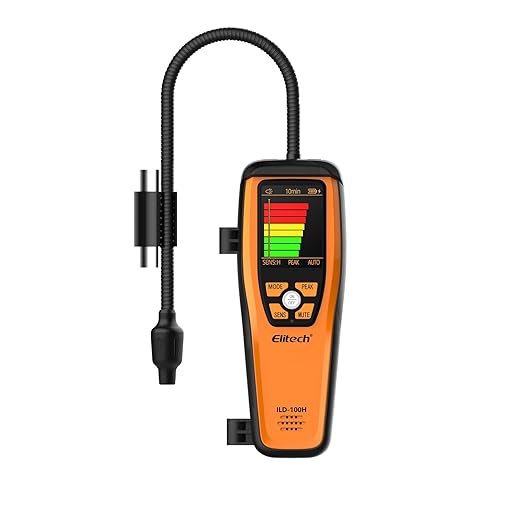
- Electronic Leak Detector: If you have access to an electronic leak detector, you can use it to scan the refrigerant lines. This device can detect even small amounts of refrigerant escaping from the lines.
- UV Dye Test: If you want a more thorough check, consider using a UV dye. Add the dye to the refrigerant system, run the system for a while, and then use a UV light to check for any leaks. The dye will glow under UV light, indicating where the refrigerant is escaping.
- Pressure Testing: You can also perform a pressure test by pressurizing the refrigerant lines with nitrogen. Monitor the pressure over time; if it drops, that indicates a leak.
- Professional Inspection: If you’re unsure or if the above methods don’t yield results, it’s wise to consult a professional HVAC technician. They have specialized tools and expertise to accurately identify and fix leaks.
Make sure to handle refrigerants safely and follow all local regulations regarding their use and disposal. Happy troubleshooting!

Quick question on step 3 about inspecting for leaks. What should I be looking for exactly? Like, should I just check the pipes or is there something specific I need to inspect? Thanks!
Great question! When inspecting for leaks, look for any signs of moisture around the refrigerant lines or connections. Also, check for any oily residue, as that can indicate a refrigerant leak. If you’re unsure, it might be best to have a pro take a look! 😊
I’d love to see a post about how to maintain your air conditioner in the off-season! Like what steps to take to ensure it runs smoothly when summer rolls back around. That’d be super helpful!
That’s a fantastic suggestion! We’ll definitely consider writing a guide on off-season maintenance for air conditioners. Keeping them in top shape can save a lot of headaches later on. Stay tuned! 👍
Hey everyone! I followed the steps in this guide when my Trane air conditioner started making weird clanking noises. I checked for unusual sounds and ended up finding that a small piece was loose. Tightened it up and it worked like a charm! Saved me a ton of cash on repairs. Definitely recommend this guide if you’re unsure about your AC! 🌟
Thanks for sharing your success story! We’re glad the guide helped you fix your Trane AC without needing a costly repair. Keep those cool breezes coming! 😄